

Shop

Bucephalandra Imperial Blue
R329 inc. VATBucephalandra imperial blue is an aquatic plant known for its fiery blue hues, making it a desirable plant for aquascaping. This slow-growing plant is best attached to hardscape like driftwood or rocks, as it is an epiphyte and will rot if its rhizome is buried in the substrate. To encourage vibrant coloration and growth, a good supply of liquid nutrients, CO2, and adequate lighting are beneficial, although it can also grow well in low to medium light conditions.
Bucephalandra Brownie Hellfire
R329 inc. VATBucephalandra Brownie Hellfire is an aquatic plant known for its fiery red hues, making it a desirable plant for aquascaping. This slow-growing plant is best attached to hardscape like driftwood or rocks, as it is an epiphyte and will rot if its rhizome is buried in the substrate. To encourage vibrant coloration and growth, a good supply of liquid nutrients, CO2, and adequate lighting are beneficial, although it can also grow well in low to medium light conditions.


Oase BioStyle 75 HOB filter grey
Original price was: R1,599.R1,290Current price is: R1,290. inc. VAT- Compact hang-on filter that fits perfectly into the aquarium
- It’s simple and straightforward to clean, and comes with a cartridge replacement indicator
- Includes three different filter media: Foam, fleece and carbon
Use with ADA Bio Rio

Ficus villosa
R400 inc. VATPlant Division Angiosperms (Flowering Seed Plants) (Dicotyledon)
Plant Growth Form Climber
Lifespan (in Singapore) Perennial
Mode of Nutrition Autotrophic
Plant Shape Irregular

Begonia pavonina
R750 inc. VATThe peacock begonia is characterized by its broad, asymmetric leaves which display a remarkable blue iridescence under certain lighting conditions. This iridescence is not only aesthetically pleasing but also a subject of scientific interest. The leaves appear typically green under low light but reflect a vivid blue metallic color when viewed from different angles, particularly under bright, indirect light. This optical phenomenon is due to the crystalline structure of precisely stacked photosynthetic structures called thylakoids within the chloroplasts of cells at the leaf surface. These scatter light in blue or green wavelengths, much like the way tiny filaments in iridescent peacock feathers do, hence its common name!

Macodes petola
R400 inc. VATAs a mini orchid, ADA – Macodes petola is the perfect addition to any indoor garden or terrarium. This jewel orchid boasts beautiful, intricate leaves and thrives as a low-maintenance house plant. Add a touch of elegance and nature to your home with this stunning indoor plant. With its beautiful, intricate leaves, ADA – Macodes petola is the perfect jewel orchid for any indoor garden or terrarium. This low-maintenance house plant adds a touch of elegance and nature to your home, making it the perfect addition to your decor. In fact, studies have shown that having indoor plants can improve air quality and reduce stress, making it a benefit for both your home and your health.

Begonia manaus
R400 inc. VATBegonia ‘Manaus’ is a species that does fantastically well in high humidity. The leaves get small red hairs completely covering them giving it an amazing appearance. This was formerly Begonia sp. U002 but has since been given the name ‘Manaus’. It is a cross between B. thelmae and B. soli-mutata, two other Begonia sp. that do wonderfully in humid environments. This species gets a bit larger than most, with leaves getting up to 4″ in diameter, or slightly larger in a terrarium. Be sure to give this plant room to grow! Begonia ‘Manaus’ responds to pruning extremely well and will easily branch out after pruning.

Samolus parviflorus Red
R200 inc. VAT- Grasslike ground covering plant
- Very narrow leaves
- Olive green to reddish coloration
- Spreads fast through runners

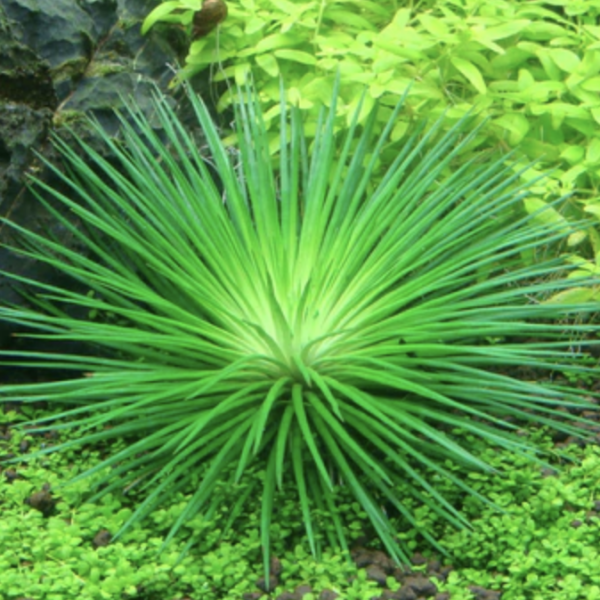

Cryptocoryne spiralis ‘CK’
R299 inc. VATIt has a very unique pattern on its slender reddish leaves. Since it grows long, it is suitable for background.
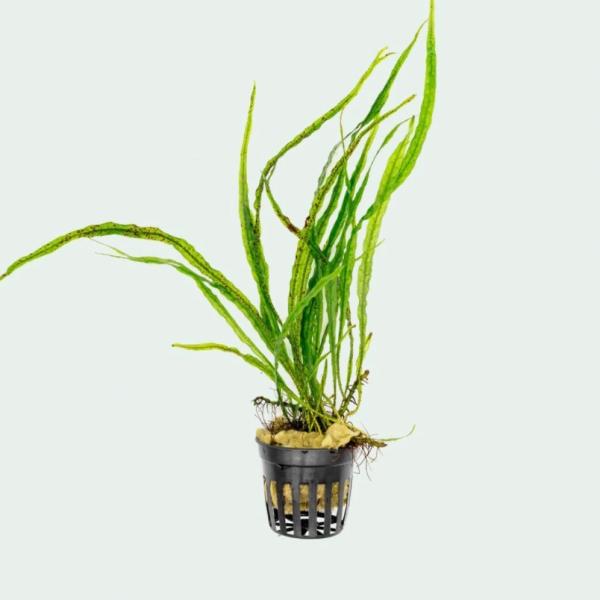

Microsorum pteropus Java Fern “Trident” Narrow leaf
R280 inc. VATMicrosorum pteropus is a highly variable species, and new varieties are easily bred. Microsorum pteropus ‘Narrow’ has narrower leaves, which grow at a less acute angle from the stem than the normal Microsorum pteropus. Leaves becomes 10- 20 cm and a rhizome from 10-15 cm or more. The plant attaches readily to roots and stones. A decorative plant, which is also suitable for smaller aquariums


ADA AQUASKY RGB II 60
Original price was: R11,700.R11,500Current price is: R11,500. inc. VAT- Innovative RGB-LED system
- Optimized for water plant aquaria
- High-class design
- With softstart function


2hr Aquarist APT Fix 500ml
R720 inc. VATAPT Fix works to rebalance the system by targeting the fundamental weakness of algae- their comparatively less developed protective cell walls.

2hr Aquarist APT Zero 1000ml
R1,150 inc. VAT- Lean dose all in one Fert
- Use with Nutrient rich soils like ADA Amazonia

Sonerila calophylla ‘Phang Nga’
R300 inc. VATSonerila calophylla ‘Phang Nga’ is a striking ornamental plant known for its attractive foliage and unique appearance.

Mayaca fluviatilis ‘Paraguay’
R199 inc. VAT- Highly decorative stem plant from tropical America
- Light green with slightly silvery shine
- Recommendable for soft water tank
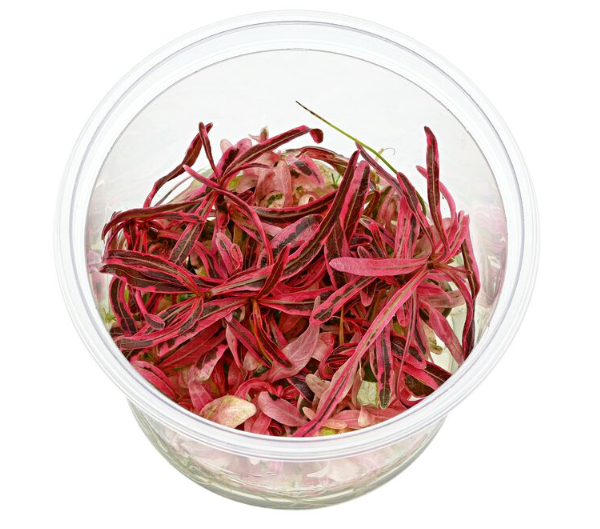

Cryptocoryne sivadasanii
R220 inc. VAT- This unusual, rare Cryptocoryne comes from rivers in the southwest of India. Already introduced decades ago under the name Cryptocoryne consobrina, it remained very rare in the aquarium hobby and was virtually unavailabe in the trade.

ADA Anoectochilus roxburghii (Jewel Orchid)
R850 inc. VAT- Miniature to small sized
- Warm to cold growing epiphyte
- 8cm – 15cm Stems

Mini Orchid – Kulnura ruby x yvette
Original price was: R220.R175Current price is: R175. inc. VAT- Miniature to small sized
- Warm to cold growing epiphyte
- 8cm – 15cm Stems

Mini Orchid – Sarco. Hartmanii
Original price was: R220.R195Current price is: R195. inc. VAT- Miniature to small sized
- Warm to cold growing epiphyte
- 8cm – 15cm Stems

Mini Orchid – Tolumnia Sylvestris
R220 inc. VAT- Miniature to small sized
- Warm to cold growing epiphyte
- 8cm – 15cm Stems

Mini Orchid – Den Angel Lake
Original price was: R220.R195Current price is: R195. inc. VAT- Miniature to small sized
- Warm to cold growing epiphyte
- 8cm – 15cm Stems


