

Bucephalandra PODS


Bucephalandra Mix Tub
R320 inc. VAT- Slow growing, but less demanding plants
- Can be grown submerged or immersed
- Does well in low tech tanks
- Can be attached to driftwood, rocks, and other hard surfaces

Aridarum Mini Blue
R330 inc. VAT- Blue to dark green hues in leaves once established
- Thrives in low-tech and high-tech setups
- Can be attached to almost any aquarium décor
- Perfect for shrimp and nano tanks


Bucephalandra Angel Tears
R330 inc. VAT
- Slightly wavy oval leaves
- Leaves average 3-5cm in size
- Slow growing, but less demanding


Bucephalandra Brownie Boyan
R330 inc. VAT- Round, elongated leaves
- Leaves average 1-2cm in size
- Slow growing, but less demanding


Bucephalandra Brownie Hellfire
R329 inc. VATBucephalandra Brownie Hellfire is an aquatic plant known for its fiery red hues, making it a desirable plant for aquascaping. This slow-growing plant is best attached to hardscape like driftwood or rocks, as it is an epiphyte and will rot if its rhizome is buried in the substrate. To encourage vibrant coloration and growth, a good supply of liquid nutrients, CO2, and adequate lighting are beneficial, although it can also grow well in low to medium light conditions.

Bucephalandra Brownie Mini
R329 inc. VAT- Round, dense cluster of leaves
- Leaves are very small in size
- Slow growing, but less demanding
Bucephalandra Brownie Phantom
R330 inc. VAT- Round, elongated leaves
- Leaves average 1-2cm in size
- Slow growing, but less demanding

Bucephalandra Brownie Royal
R330 inc. VAT- Long, wavy leaves
- Leaves average 1-3cm in size
- Slow growing, but less demanding

Bucephalandra Brownie Sugar
Original price was: R329.R260Current price is: R260. inc. VAT


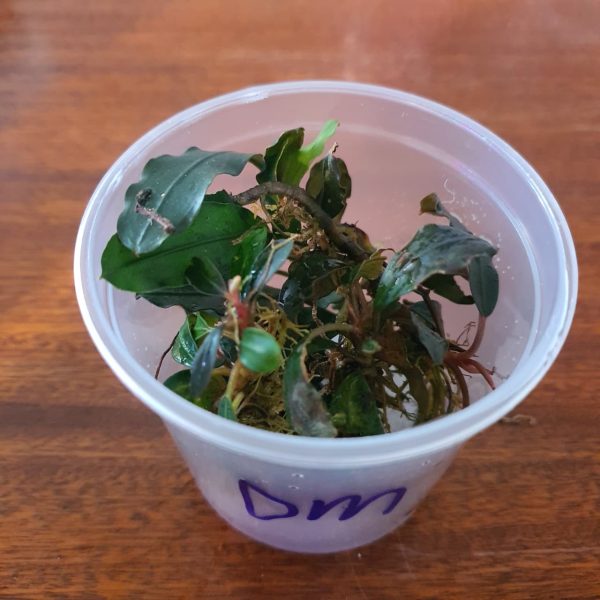


Bucephalandra Imperial Blue
R329 inc. VATBucephalandra imperial blue is an aquatic plant known for its fiery blue hues, making it a desirable plant for aquascaping. This slow-growing plant is best attached to hardscape like driftwood or rocks, as it is an epiphyte and will rot if its rhizome is buried in the substrate. To encourage vibrant coloration and growth, a good supply of liquid nutrients, CO2, and adequate lighting are beneficial, although it can also grow well in low to medium light conditions.


